Crooked or crowded teeth do more than affect how a smile looks in photos. Uneven bite pressure can wear down enamel faster in some spots than others, and teeth that overlap are harder to clean properly, which raises the risk of decay along the edges you cannot easily reach with a toothbrush. Many adults in Houston live with these concerns for years, assuming that fixing them means a mouth full of metal brackets and wires for two years or more, plus regular tightening appointments that never seem to line up with a packed work schedule.
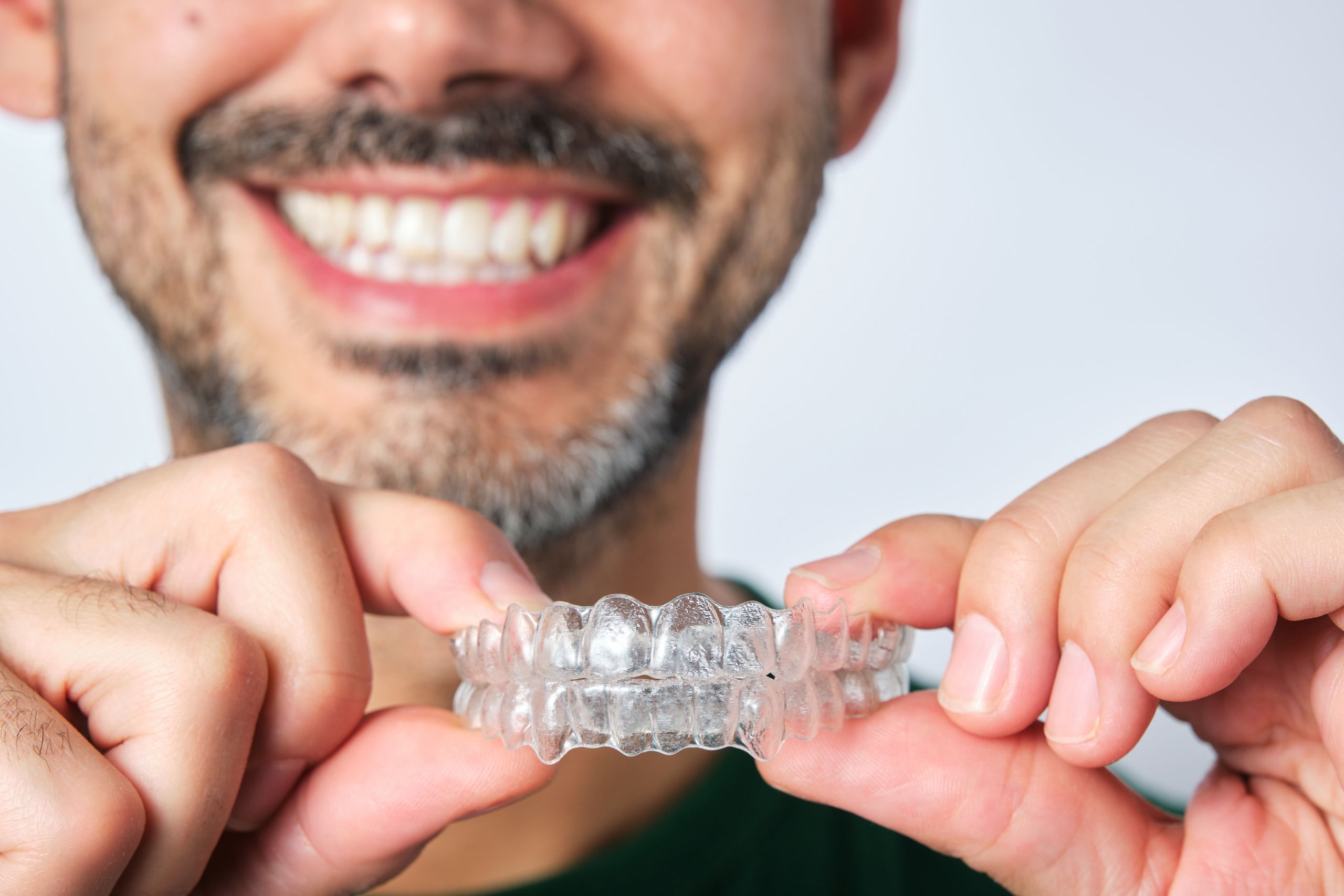
At Pearl Smile Center, we treat orthodontic misalignment with a straighter path forward. Clear aligners are custom-fitted, nearly invisible trays that gradually shift teeth into better positions without brackets or wires. For patients balancing careers, family, and everything in between, that difference in daily life is often the deciding factor between putting treatment off and finally starting it.
What Clear Aligners Actually Do
Each aligner in your series is designed to move your teeth a small, controlled amount, usually a fraction of a millimeter, before you switch to the next tray in the sequence. Over several months, those small shifts add up to a noticeably straighter arch. Dr. K’s background includes several years of postgraduate orthodontic training focused specifically on occlusion, which is the way your upper and lower teeth fit together when you bite down. That training shapes how treatment is planned here. Rather than moving teeth for appearance alone, we look at how your bite functions, since poor occlusion can contribute to jaw strain and uneven wear over time.
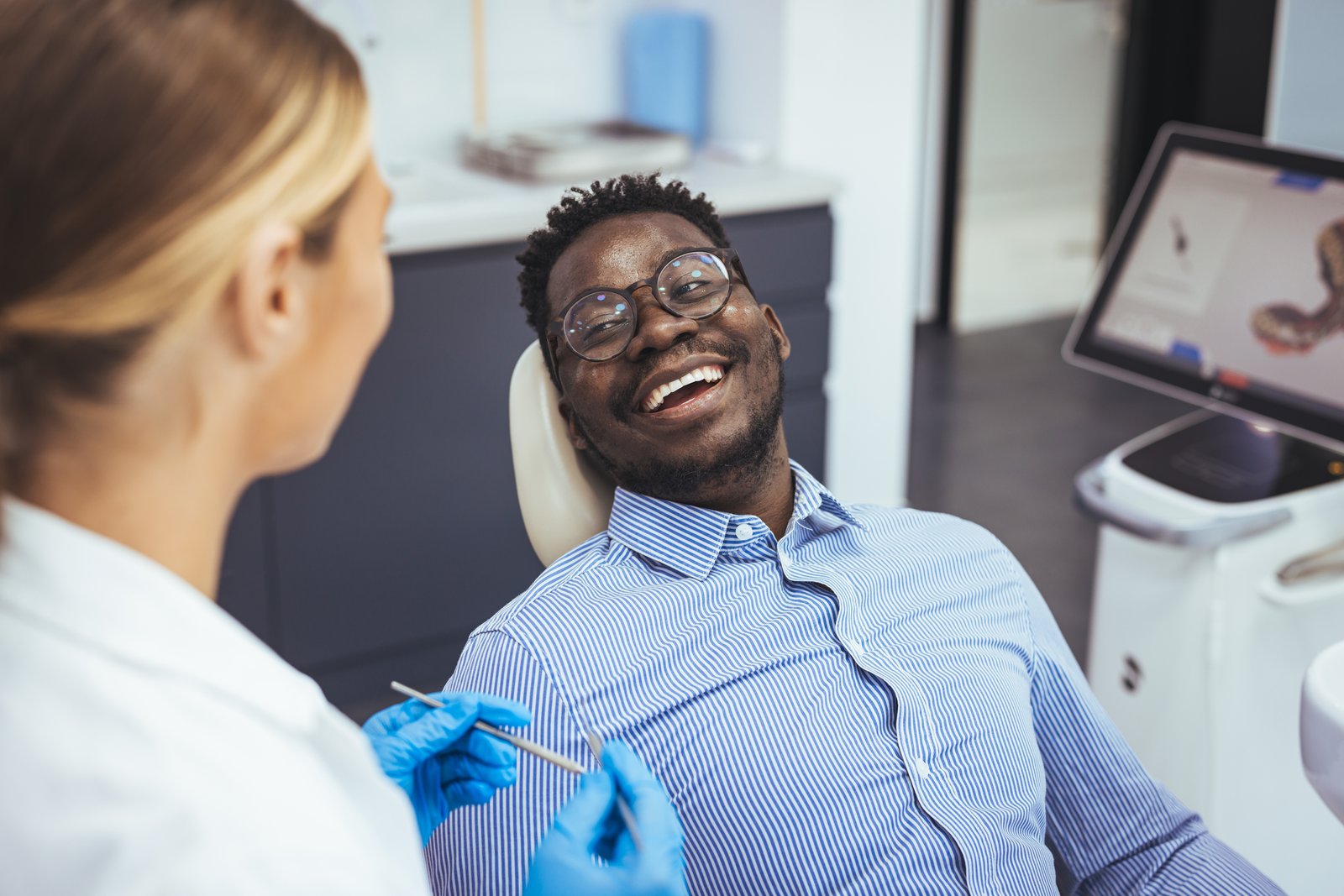
A cosmetic dentistry consultation is where this usually starts. We take digital images of your bite and discuss what you would like to change, whether that is crowding, gaps, or teeth that have shifted since a previous orthodontic treatment. From there, we can tell you honestly whether clear aligners are a good fit for your case or whether another approach may serve you better.
The Daily Routine
Clear aligners need to stay in for roughly 20 to 22 hours a day to work as intended, with removal reserved for eating, drinking anything besides water, and brushing or flossing. Consistency matters here more than almost anything else in the process. Research on aligner wear published in 2021 tracked patients over the course of treatment and found that consistent daily wear time was one of the strongest predictors of staying on schedule, which is part of why we check in with patients regularly rather than sending them off with a stack of trays and a distant follow-up date.
Switching Trays and Tracking Progress
Most patients move to a new aligner in the series every one to two weeks, depending on how their teeth respond. You may notice mild pressure for the first day or two after switching, which is a normal sign that the tray is doing its job. We schedule periodic check-ins to confirm your teeth are tracking with the plan and to make small adjustments if needed, since every mouth moves at its own pace.
Who Tends to Benefit Most?
Clear aligners work well for mild to moderate crowding, gaps between teeth, and cases where teeth have relapsed after previous orthodontic work. They also tend to suit patients who value being able to remove their trays for important meetings, meals out, or photos, without the visible hardware that traditional braces involve.
A few habits make a meaningful difference in how smoothly treatment goes. Before starting, it helps to know what to expect and plan around it.
None of these habits are complicated, but they are the difference between a treatment timeline that stays on track and one that stretches out longer than it needs to.
Getting Started With a Consultation
If you have been putting off addressing your bite because the idea of years in braces did not appeal to you, a conversation about clear aligners may be worth having sooner rather than later. We can walk you through your general dentistry history, evaluate your bite, and let you know honestly what a realistic timeline looks like for your specific case.
Ready to See If Clear Aligners Are Right for You?
Dr. K’s postgraduate orthodontic training means your bite and your smile are evaluated together. Schedule a consultation at Pearl Smile Center in Houston’s Energy Corridor.
Why Houston Patients Choose Pearl Smile Center
Pearl Smile Center brings together an on-site periodontist, a doctor with years of dedicated orthodontic training, and a location in the Energy Corridor that makes appointments easy to fit around a demanding schedule. That combination means your bite, your gum health, and your smile are all considered together rather than treated as separate problems handled by separate offices. You can review common questions on our FAQs page or look through our team’s backgrounds on our meet the team page before your visit.
Straighter teeth and a healthier bite are within reach without committing to years of brackets and wires. If clear aligners sound like the right next step for you, reach out to schedule a consultation and find out what your treatment timeline could look like.
Frequently Asked Questions About Clear Aligners in Houston
Can I get clear aligners if I have crowns or existing dental work?
In most cases, yes. Crowns, bridges, veneers, and fillings do not automatically disqualify someone from clear aligner treatment. The aligner trays work by moving the underlying tooth structure, so existing restorations can typically be accommodated in the treatment plan. Our team will review any prior dental work during your consultation and let you know honestly whether clear aligners are a good fit for your specific situation.
What happens if I lose or damage an aligner tray?
If you lose or damage a tray, contact our office as soon as possible. Depending on where you are in the sequence, we may advise you to move to the next tray early, return to the previous one, or order a replacement. Wearing a damaged tray that no longer fits properly can slow your progress or cause unintended tooth movement, so it is important not to simply keep using it. Keeping your aligner case with you at all times significantly reduces the chance of a tray being lost or accidentally thrown away.
Are clear aligners as effective as traditional braces?
For mild to moderate crowding, spacing issues, and cases where teeth have relapsed after prior orthodontic treatment, clear aligners can achieve results comparable to traditional braces. For more complex bite corrections, traditional braces or a combination approach may be more appropriate. Dr. K’s postgraduate orthodontic training in occlusion means he evaluates your bite function alongside the cosmetic goals, which shapes whether clear aligners are the right tool for your specific case.
Does dental insurance cover clear aligners in Houston?
Coverage varies by plan. Some dental insurance plans include an orthodontic benefit that applies to clear aligners, typically up to a lifetime maximum dollar amount. Others cover braces but exclude clear aligners, or cover treatment for patients under a certain age only. At Pearl Smile Center, we review your insurance benefits during your consultation so you have a clear picture of what your plan covers before making any decisions. Flexible payment options are also available for out-of-pocket costs.