
A chipped edge, a gap between the front teeth, or years of gradual discoloration can leave you second-guessing every photo. The good news is that closing that gap between how your smile looks and how you want it to look rarely means a full mouth reconstruction. Two of the most requested cosmetic treatments, porcelain veneers and composite bonding, can each address these concerns, and the right one for you often comes down to how much change you want, how long you want it to last, and what you are comfortable investing upfront.
At Pearl Smile Center, we walk Houston patients through both options before recommending a path forward because the better choice depends on your teeth, your goals, and your timeline. We serve patients across the Energy Corridor, Memorial, and Spring Branch communities, and cosmetic dentistry is one of the services we focus on most, which means we have a clear sense of when composite bonding solves the problem and when veneers are worth the additional step.
What Composite Bonding Involves
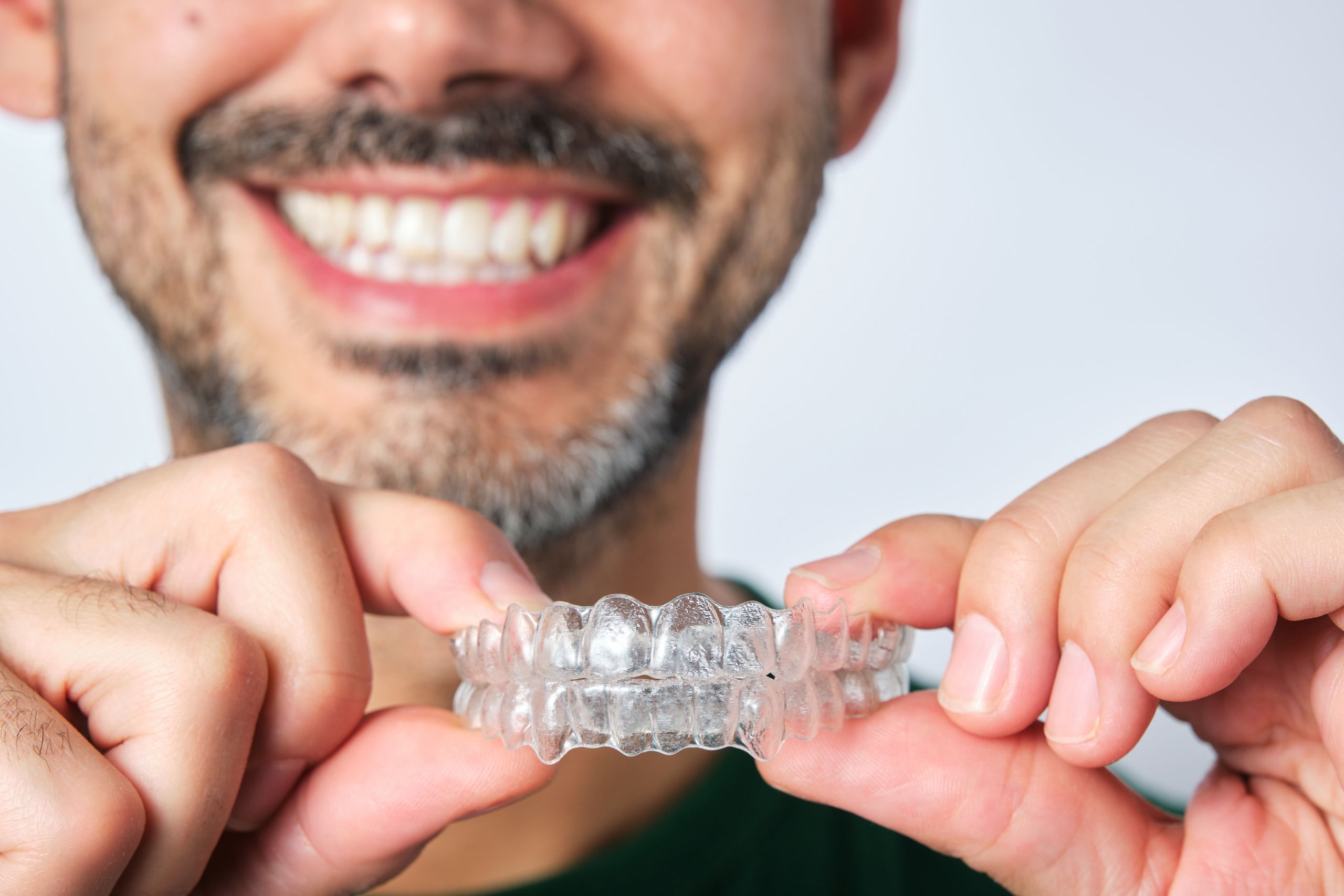
Composite bonding uses a tooth colored resin that we shape directly onto the surface of your tooth in a single visit. There is little to no removal of existing enamel, which makes bonding one of the more conservative cosmetic options available, and it is one of our most requested dental bonding services for that reason. We sculpt the material by hand, matching it to the shade of your surrounding teeth, then cure it with a special light and polish it to a natural finish.
Because bonding is applied and finished in one appointment, it may work well for patients who want a quick correction to a chip, a small gap, or a slightly uneven edge. The tradeoff is that composite resin is more porous than porcelain, so it can pick up staining from coffee, tea, or red wine more readily over time, and it typically needs touch-ups or replacement sooner than a veneer would.
What Porcelain Veneers Involve
Porcelain veneers are thin custom shells that we bond to the front surface of your teeth to change their shape, size, or color. Unlike bonding, veneers are fabricated outside of your mouth, typically in a dental lab, based on impressions or digital scans of your teeth. A small amount of enamel is usually removed to allow the shell to sit flush and look natural next to your other teeth.
Porcelain has a glass-like quality that mimics the way natural enamel reflects light, which is part of why veneers can achieve a particularly lifelike result for patients correcting more noticeable discoloration, uneven spacing, or wear. Porcelain also resists staining better than composite resin, so the color you start with tends to be the color you keep.
Patients weighing veneers against a same-day option sometimes also ask us about same-day crowns, though crowns address a different concern because they cover a tooth that needs structural reinforcement rather than a cosmetic refinement.
How the Two Options Compare Over Time
A two-year randomized clinical trial followed patients who received either direct composite veneers or indirect ceramic veneers for closing gaps between the front teeth. Researchers found that both materials showed strong survival rates after two years of use, though the composite veneers showed more frequent surface staining and roughness during that same period.
That distinction lines up with what we see clinically. Composite bonding may be able to hold up well for years with reasonable care, but patients who want to minimize future touch-ups, particularly on front teeth that show every time they smile, often lean toward porcelain once they understand the difference in long-term maintenance.
Questions Worth Asking Before You Decide
Before committing to either treatment, it helps to think through a few practical questions with your dentist. Consider the following as you weigh your options:
| Porcelain Veneers | Composite Bonding | |
|---|---|---|
| Extent of Correction | Multiple teeth, noticeable discoloration | Small chips, minor gaps |
| Timeline & Budget | 2 visits + lab; higher upfront | 1 visit; lower upfront cost |
| Long-Term Maintenance | Holds color & shape longer | Periodic polishing or touch-ups |
| Reversibility | Permanent enamel change | Little to no enamel removal |
Once you have thought through these points, an in-person evaluation is still the most reliable way to know which treatment fits your teeth and your goals because photos and general guidelines can only tell you so much. Our FAQ page also covers a few of the questions we hear most often if you want to keep researching before your visit.
Not Sure Which Is Right for Your Smile?
Our Houston team walks you through both options in person before making any recommendation. Complimentary consultations available.
Find Your Fit at Pearl Smile Center
Whether composite bonding or porcelain veneers is the better fit, the goal at Pearl Smile Center is a smile that looks like it belongs to you, not like it was manufactured. We also have a board-certified periodontist on staff who joins us for surgical and gum health-related cases, which matters if your cosmetic goals overlap with any underlying gum concerns. Between our focus on cosmetic dentistry and the broader restorative and implant work we do every week, we are used to helping patients figure out where their smile actually needs attention before recommending a specific treatment.
If you have been putting off a decision because you were not sure which option made sense, we are happy to walk through both during a visit and answer whatever questions come up along the way. You can reach out to us to get started whenever you are ready.
Frequently Asked Questions About Veneers vs. Composite Bonding
Can composite bonding be repaired if it chips?
Yes, and this is one of bonding’s practical advantages over veneers. If composite bonding chips or wears, it can often be repaired or added to in a single visit without replacing the entire restoration. The same resin material is applied, shaped, and cured to blend with the existing work. This makes bonding a forgiving option for patients who want to correct a cosmetic concern without making a permanent or expensive commitment, knowing that touch-ups are straightforward if needed down the road.
Do porcelain veneers damage natural teeth?
The veneer preparation process does require removing a small layer of enamel, which is permanent. This is done to ensure the veneer sits flush and looks natural, but it does mean the tooth will need a veneer for life once the process begins. The amount of enamel removed is typically minimal, and the veneer itself becomes a protective layer bonded to the tooth surface. Patients considering veneers should understand this commitment before proceeding, which is why our consultations involve a thorough discussion of what the process involves before any treatment is recommended.
Can I whiten bonding or veneers if they stain over time?
Standard teeth whitening treatments do not work on composite resin or porcelain, because these materials do not respond to bleaching agents the way natural enamel does. Porcelain veneers are highly stain-resistant and typically maintain their color well with regular cleaning. Composite bonding is more porous and more susceptible to picking up staining from coffee, tea, and red wine over time. If bonding discolors, the affected material can usually be polished or replaced. This is one reason patients who frequently consume staining foods and beverages often lean toward porcelain for front teeth.
How do I know which option is right without coming in for a visit?
In most cases, you cannot know with certainty until an in-person evaluation. The decision depends on the number of teeth involved, the degree of discoloration or structural concern, the condition of the underlying enamel, and your long-term goals. What we can say generally is that bonding tends to suit single teeth or minor corrections where quick and conservative matters, while veneers tend to suit patients correcting multiple front teeth or seeking results that hold up with minimal maintenance. Our complimentary consultations are designed to answer exactly this question for your specific smile.