
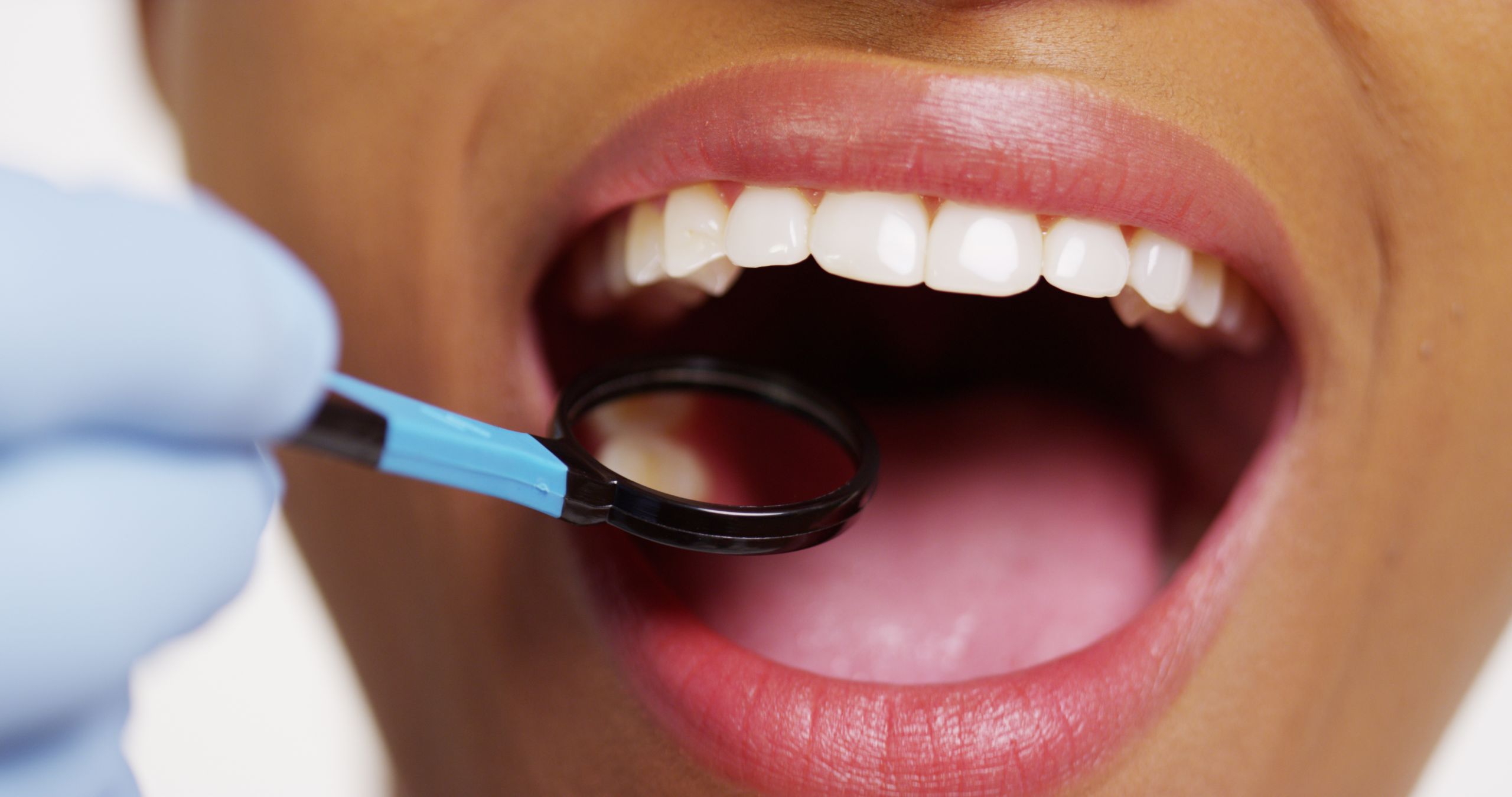
Gum disease rarely announces itself with pain in the early stages, which is exactly why so many people wait months, sometimes years, before mentioning it to a dentist. By the time discomfort shows up, the disease has often moved past the easy stage and into territory that puts the bone holding your teeth in place at risk.
At Pearl Smile Center, we treat gum health as a foundation, not an afterthought. We recently welcomed a periodontist to our Houston practice, which means gum disease treatment now happens alongside your regular dental care rather than through a separate referral. If you have noticed bleeding, swelling, or gums that seem to be pulling away from your teeth, this guide walks through what gum disease actually is, how we treat it, and what you can expect from the process.
What Gum Disease Actually Is
Gum disease starts with plaque, a sticky film of bacteria that forms on your teeth every day. When plaque is not removed through brushing and flossing, it hardens into tartar, which only a dental cleaning can remove. The bacteria in that buildup irritate the gum tissue, and your body responds with inflammation. That inflammation is what causes the redness, puffiness, and bleeding that mark the earliest stage, known as gingivitis.
Gingivitis is reversible with good care and a professional cleaning. Left alone, it can progress to periodontitis, a more serious form of gum disease that affects the bone and connective tissue anchoring your teeth.
Research published through the National Institutes of Health notes that periodontitis affects more than 40 percent of adults in the United States, and its severe form can lead to tooth mobility and eventual tooth loss if it goes untreated. Genetics, smoking, diabetes, and certain medications can all raise your risk, which is one reason gum health deserves attention even if your teeth themselves feel fine.
Signs Worth Bringing Up at Your Next Visit
Gum disease tends to progress quietly, so paying attention to smaller changes can make a real difference in how early we catch it. Persistent bad breath, gums that look darker red than usual, or teeth that seem slightly longer than they used to are all worth mentioning even if they do not feel urgent.
A few signs are common enough that we hear about them at almost every gum health visit, including the following:
None of these signs mean advanced disease on their own, but together they are worth a conversation at your next cleaning rather than something to wait out.
How We Approach Gum Disease Treatment
Treatment depends on how far the disease has progressed.
Why Gum Health Affects More Than Your Smile
Gum disease has been studied for its connections to broader health beyond the mouth, including links that researchers have explored with heart health and diabetes management. You do not need to feel alarmed by this, but it is a helpful reminder that treating gum disease is about more than comfort. It is part of maintaining your overall health.
This is part of why we built a periodontist into our regular care rather than treating gum disease as a separate specialty visit elsewhere. If you are already coming in for preventive dentistry or a routine exam, gum health gets evaluated as part of that same appointment, which makes it easier to catch changes early rather than after they have progressed.
Healthy Gums Start With One Appointment
Pearl Smile Center’s in-house periodontist and general dentistry team treat gum disease together — no referrals, no separate offices.
Pearl Smile Center Is Here for Your Gum Health
Can gum disease be reversed?
It depends on the stage. Gingivitis, the earliest form of gum disease, is fully reversible with a professional cleaning and consistent home care. Once gum disease progresses to periodontitis, the damage to bone and connective tissue cannot be fully undone. What we can do is stop the progression, stabilize gum health, and prevent further loss through scaling, root planing, and ongoing periodontal maintenance. Catching the disease early makes a meaningful difference in what treatment involves.
Is gum disease treatment painful?
Most patients describe the experience as mild pressure rather than pain, particularly when local anesthesia is used. For a routine cleaning addressing early gingivitis, discomfort is minimal. Scaling and root planing for more advanced disease is performed with anesthesia to keep you comfortable throughout, and most patients report that post-procedure soreness resolves within a day or two. Our team checks in regularly during treatment and will adjust the approach if needed.
How does gum disease affect health beyond the mouth?
Researchers have studied links between gum disease and systemic conditions including heart disease and diabetes management. The proposed mechanism is that bacteria from infected gums can enter the bloodstream and contribute to inflammation elsewhere in the body. While gum disease is not a direct cause of these conditions, the association is meaningful enough that many physicians now ask patients about their gum health during routine evaluations. Treating gum disease is worth doing for your overall health, not just the health of your mouth.
How often do I need to come in after gum disease treatment?
After active treatment, most patients are placed on a periodontal maintenance schedule with visits every three to four months rather than the standard twice-yearly cleaning. This closer monitoring allows our periodontist to track how gum tissue is healing, measure pocket depths over time, and address any areas that are slower to stabilize. As gum health improves and remains stable, some patients can gradually extend their visit interval, though this is evaluated individually rather than assumed.
Gum disease is common, treatable, and rarely something you have to face on your own. From early gingivitis to more advanced periodontitis, we build a treatment plan around where your gums actually are, not a generic timeline. Our periodontist works alongside our general dentistry team, so you are not shuffled between offices to get the care you need, and our approach to cosmetic dentistry and dental implants means we can address the effects of gum disease if it has already affected your smile.
If it has been a while since your last cleaning, or if you have noticed any of the signs mentioned above, we would like to see you. You can contact us to schedule a visit with our Energy Corridor team.